Table of Contents
Choosing the correct ballistic protection level is one of the most important decisions when commissioning an armored vehicle. The right level depends on your threat environment, operational requirements, and practical considerations like vehicle weight and performance.
Understanding Protection Levels
Protection levels are classified by the type of ammunition they can defeat:
**B4 (VR4)** protects against handgun threats including .44 Magnum. This level is suitable for personal protection in low-to-moderate threat environments where the primary concern is handgun attacks and opportunistic violence.
**B6 (VR7)** protects against high-power rifle threats including 7.62x51mm NATO ball ammunition. This is the most commonly requested level for government and VIP vehicles, providing protection against military-grade rifle fire.
**B7 (VR10)** protects against armor-piercing rifle threats including 7.62x51mm AP ammunition. This is the highest practical level for passenger vehicles and is specified for heads of state, senior military officers, and high-risk executives.
Weight Considerations
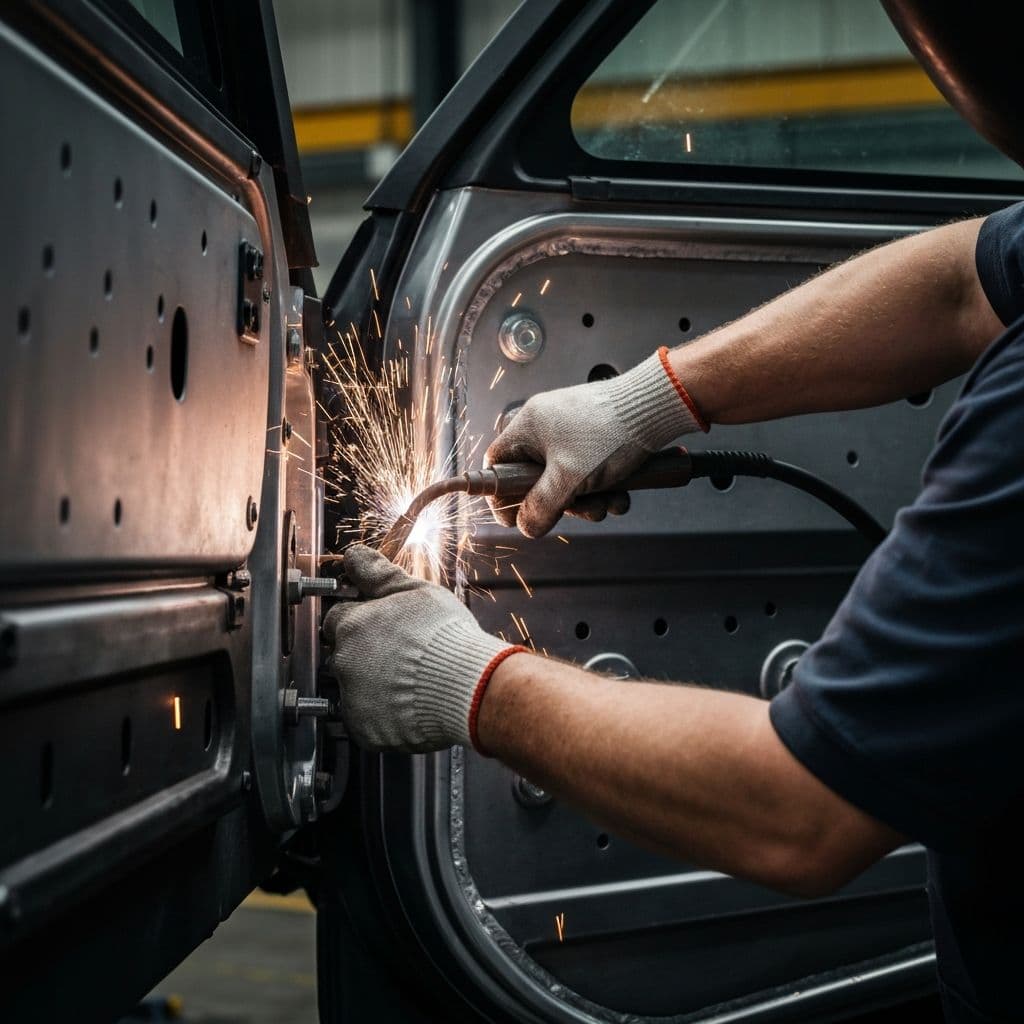
Higher protection levels mean significantly more weight. A B4 armoring package might add 300-500 kg to a vehicle, while B7 can add 1,500 kg or more. This affects acceleration, braking, fuel consumption, and tire wear.
Performance Impact
At ZIDA, we engineer upgraded suspension, braking, and drivetrain systems to compensate for the additional armor weight. Our vehicles maintain excellent handling characteristics despite the significant weight increase.
Cost Factors
Higher protection levels require more sophisticated materials and engineering, which increases cost. However, the right protection level should be determined by threat assessment, not budget — your life depends on it.
Frequently Asked
What is the most common protection level?
B6 is the most commonly requested protection level for government and VIP vehicles, providing protection against military-grade rifle fire.
How much weight does armor add?
It depends on the level. B4 adds 300-500 kg, B6 adds 800-1,200 kg, and B7 can add 1,500 kg or more to the vehicle's base weight.
Can any vehicle be armored to B7?
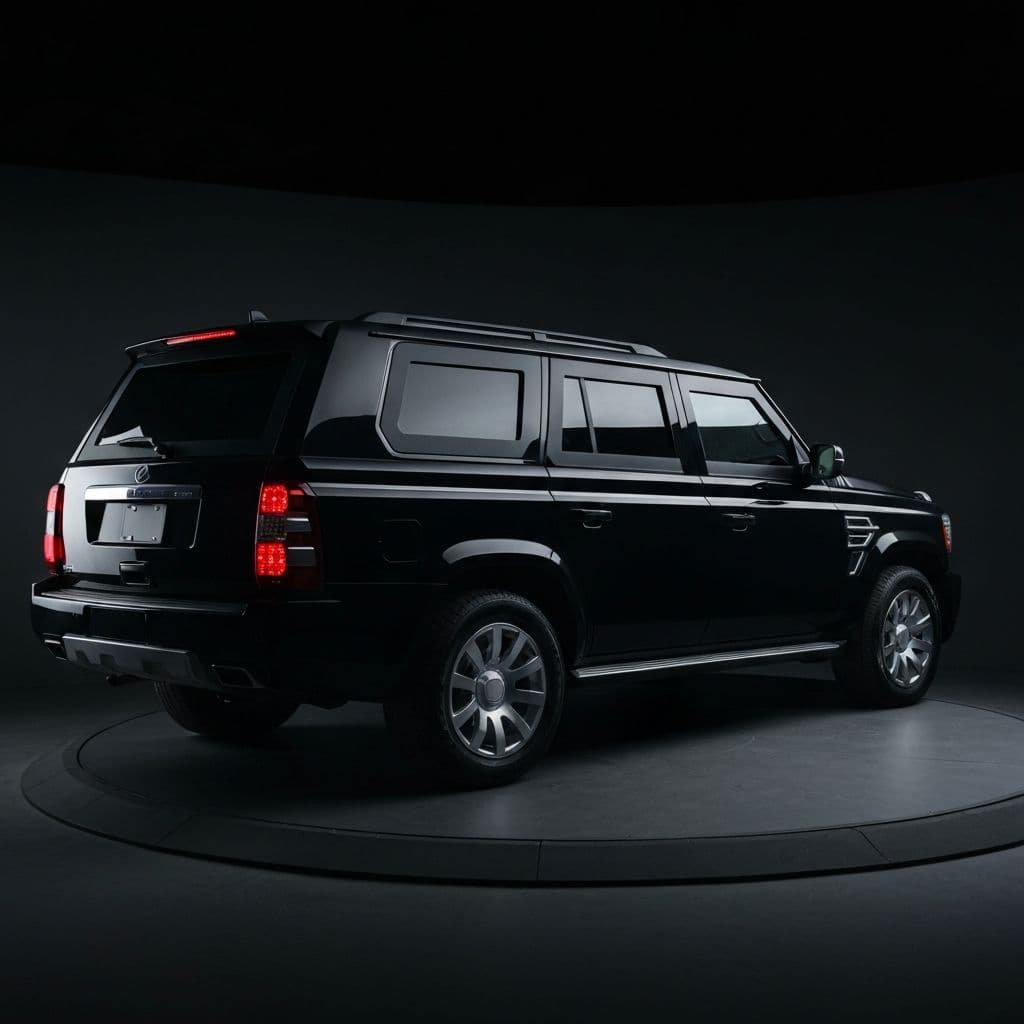
Not every vehicle platform can support B7 armoring due to weight constraints. Larger SUVs and sedans with robust chassis are best suited for high-level protection.